Inside The Void Review
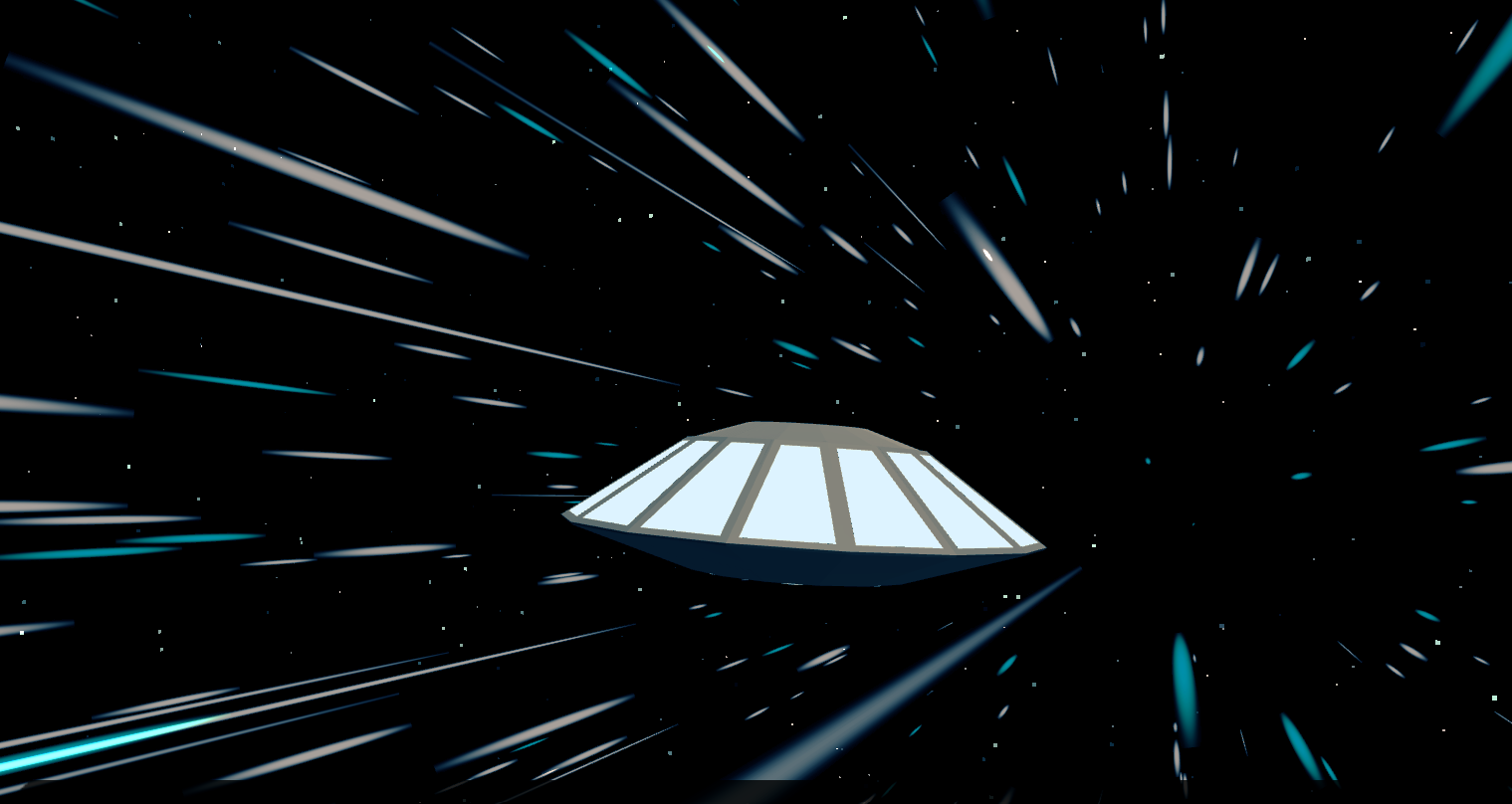
An explorational adventure with an unnerving atmosphere, Inside the Void is the story of crewmate 1286, a voyager sent by their commanding officer to uncover the mystery surrounding crew members who disappeared exploring the planet several years prior. The story is told through bright colors and status logs across the planet, answering as many questions as it leaves behind.
Gameplay
Inside the Void’s gameplay is incredibly simple; explore a planet, investigate alien architecture, read the crew’s logs. There are several structures to explore, about seven in total, and the order they can be visited is up to the player. The game automatically teleports the player within the structure when they approach, and they must navigate the maze each structure provides in order to escape.
The controls are what’s expected from a PC game and the framerate is consistent, with the run speed being my only issue. The structures in the game are very spread out, and the run speed isn’t very fast. With the lack of shadow for the player (see below for more), it felt like I was holding shift the entire time.

Aesthetic
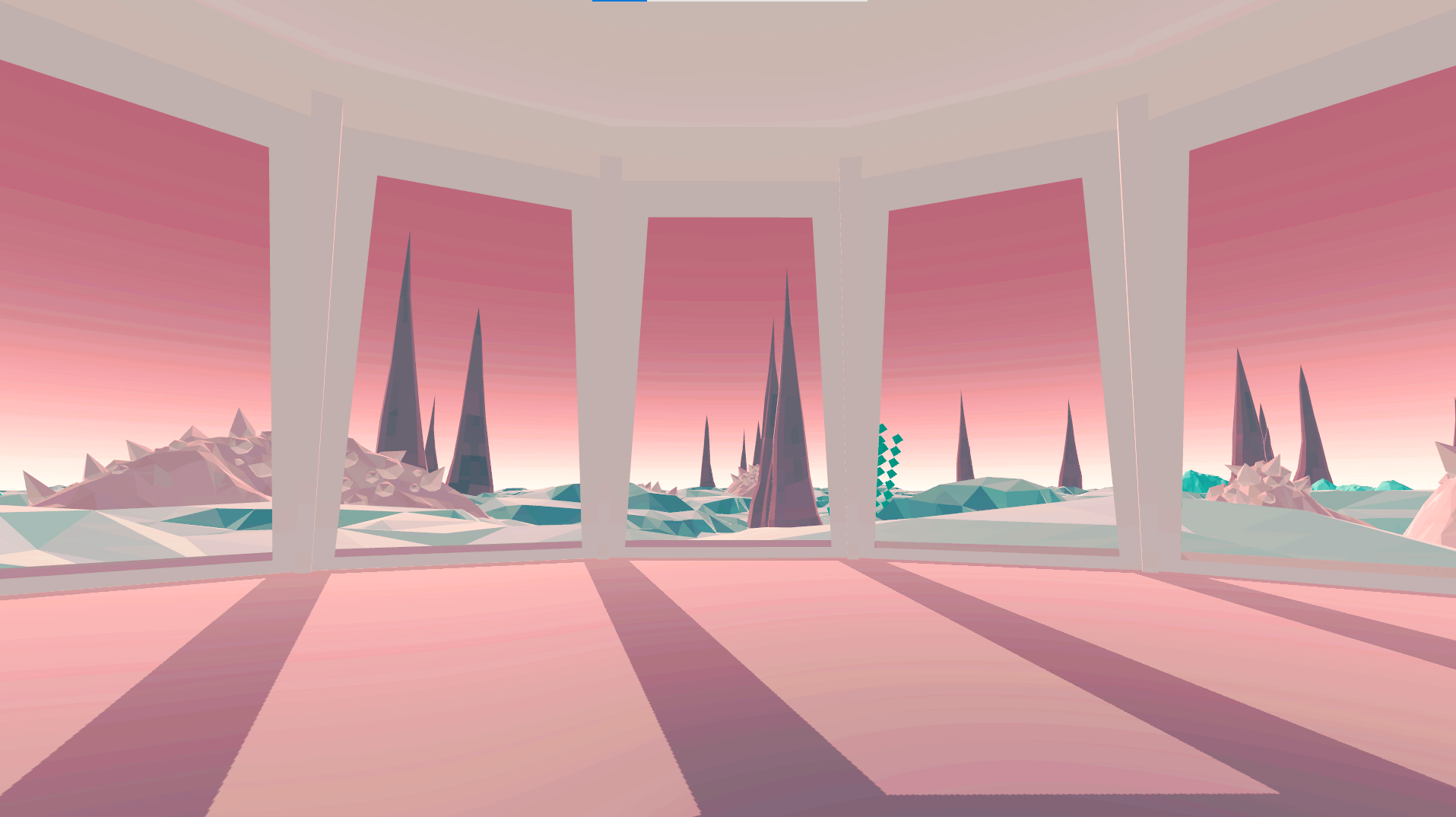
An unsettling tone is conveyed within the game’s bright colors and geometric atmosphere; the atmosphere is a desert of cyan, with structures bearing a distinct turquoise or dark blue appearance. Their distinct color palettes, constant movement, and incredulous appearance make them stand out amongst their surroundings, nudging the player forward.
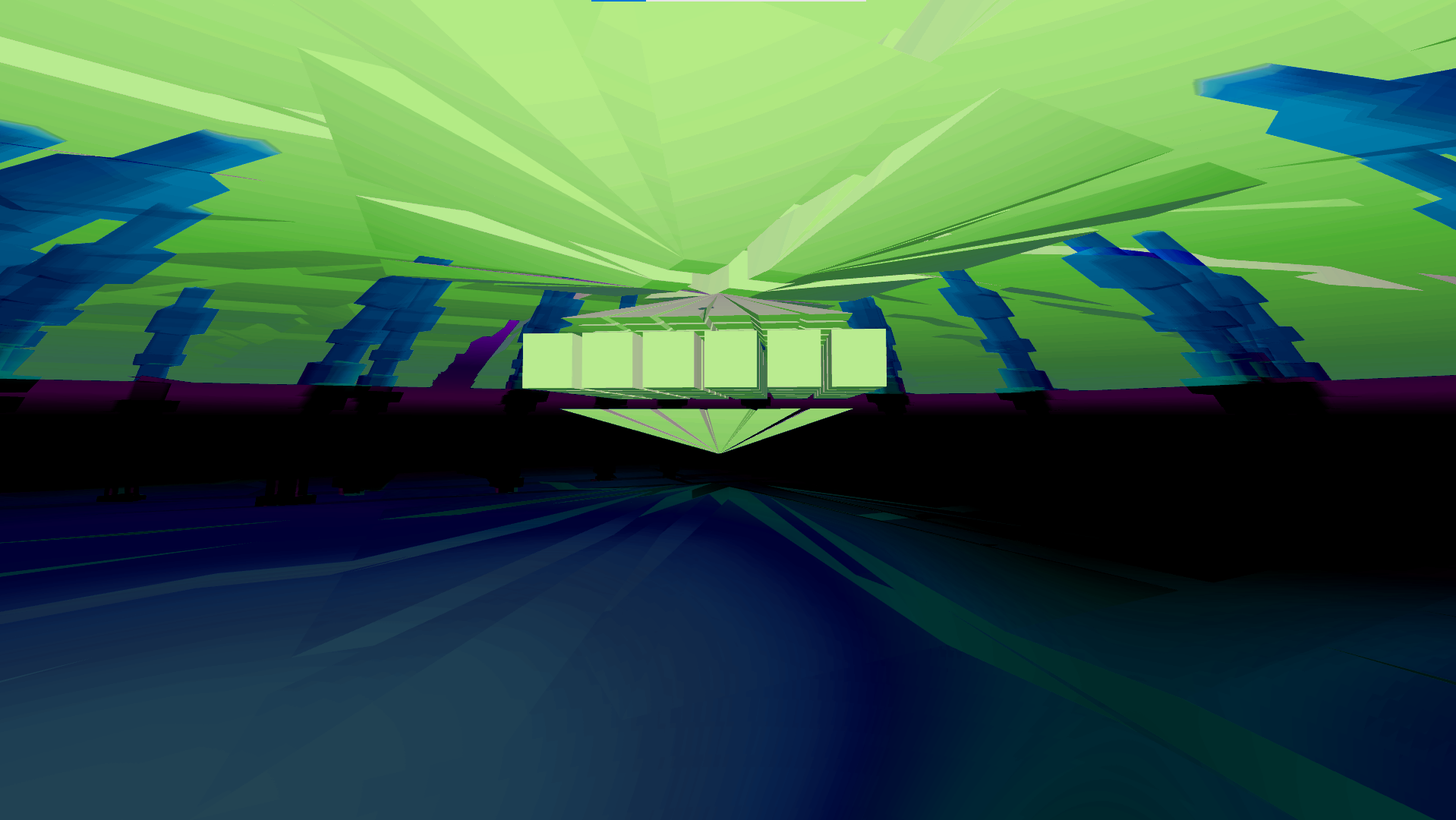
The structures have unusual architecture, but what lives inside them are even more bizarre; the inside of each structure resembles the outside to an abnormal degree, and the structures appear purple, green, and orange in a sharp contrast to what’s outside. The only escape is to find a smaller version of the structure and approach it, where they will teleport outside and the structure will disappear.
History of the Planet
Many years prior to the crew’s arrival, the planet was destroyed by a supernova that wiped out life on the planet. The people who lived there, knowing this day would come, prepared in advance by creating structures designed to withstand the explosion and carry programming of their civilization inside. The lost crewmates discovered this technology, attempting to resurrect the civilization and give it a physical form, only for their creations to go rogue, leaving many casualties.
Aborting the mission, the crew fled to their ship and attempted to escape, only to trapped within a structure they hadn’t seen before. With their ship frozen in time, the crew members escaped and began engineering a time portal to reverse the damage they had caused. With the player’s help, the time portal is activated and crewmate 1286 returns home with the lost crewmates, but the ending is ambiguous; the planet looks different, so is this their home? did the crewmates who were killed survive? was this what the planet looked like before the supernova? how far back in time did they go? the ending leaves a lot of questions, leaving the answers to the player’s imagination.
Subtext/Commentary
Voyagers from another planet explore a planet with signs of life to uncover the mysteries behind it… does that ring a bell?
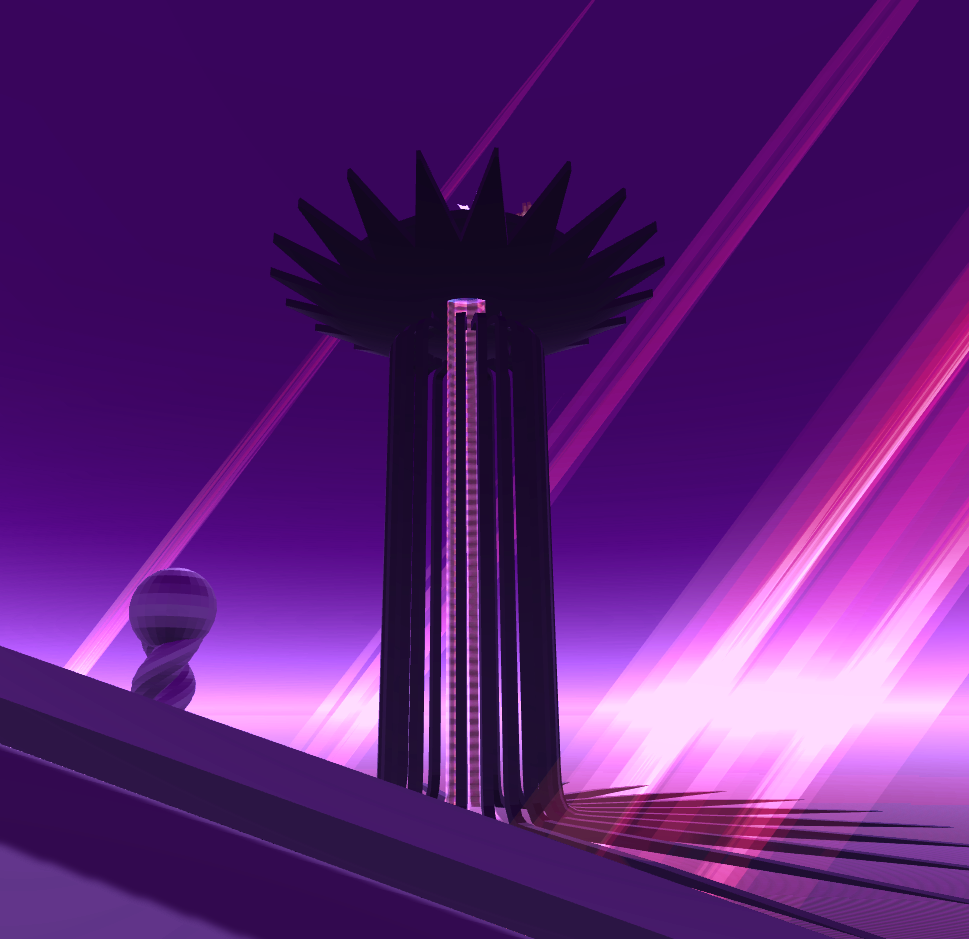
Since the dawn of space travel, we questioned the possibility of other civilizations existing besides us. We have sent information into space and have discovered countless galaxies, but we lack the technology to explore them. In the 21st Century, we are studying the atmospheres of other planets and inventing reusable rockets, but part of it is because of fears surrounding the earth and climate change. The game does not explain why the crew were sent to the planet, and if it was an expedition for signs of life, are our interactions with other planets helpful or harmful to the natives? Judging the crew’s status logs, it appears to be the latter.
The game appears to be a deconstruction of the “space voyager” plotline, featuring ruined civilizations and futuristic technology but questioning the crew’s mentality. It makes the player question the crew’s actions, and if it was for science, was it the right thing to do?